










Önceden Birleştirilmiş Vidalar Montaj Hatalarını ve Yeniden Çalışmayı Nasıl Azaltır?
Modern üretimde montaj hassasiyeti, ürün kalitesini, üretim verimliliğini ve uzun vadeli güvenilirliği doğrudan etkiler. Küçük sabitleme hataları bile bileşenlerin yanlış hizalanmasına, gevşek bağlantılara, ürün arızalarına ve bakım maliyetlerinin artmasına neden olabilir. Üretim hatları otomasyona ve yalın üretime doğru ilerlemeye devam ettikçe üreticiler tutarlılığı artırırken insan hatasını en aza indiren bağlantı çözümleri arıyorlar.
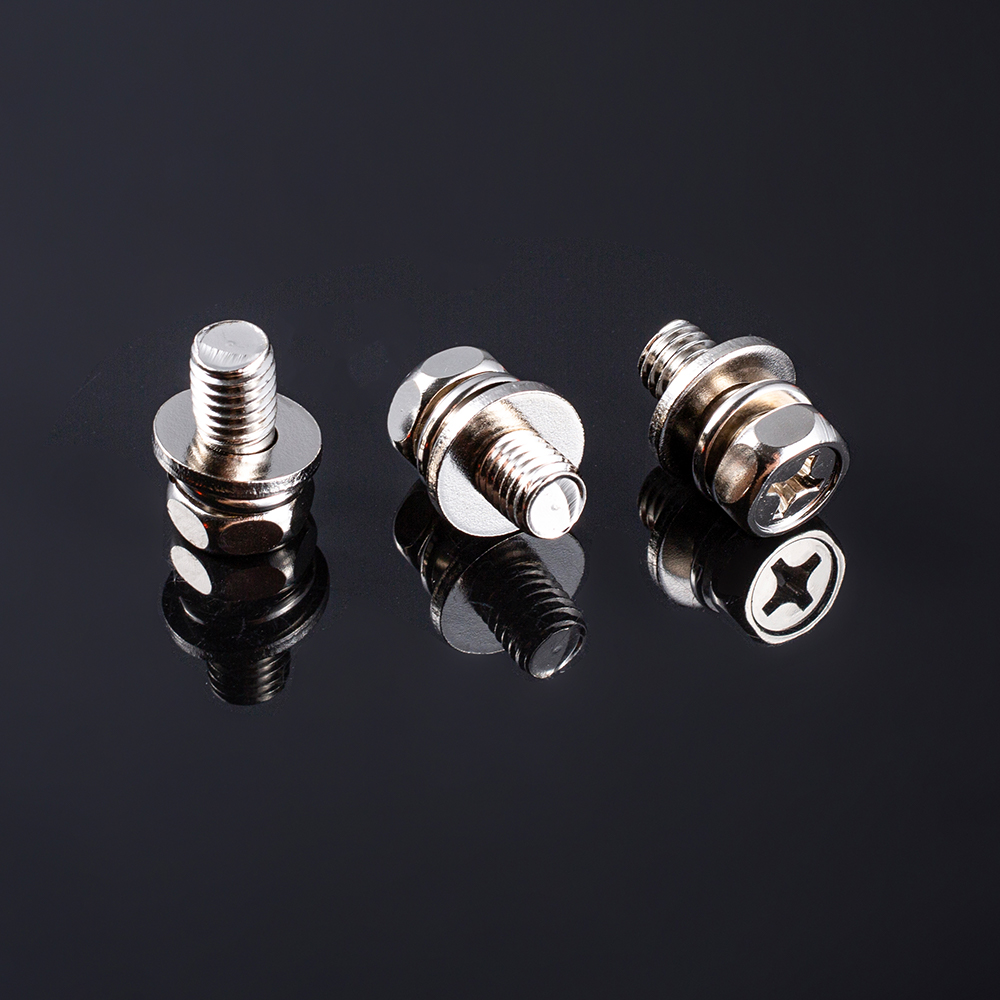
Olarak da bilinen önceden monte edilmiş vidalar kombinasyon vidaları veya SEMS vidaları, kurulumu basitleştirdikleri ve bileşenlerin eksik veya yanlış monte edilme olasılığını azalttıkları için birçok sektörde giderek daha fazla tercih edilen bir çözüm haline geldi. Kurulumdan önce vidaları pullarla veya diğer sabitleme elemanlarıyla entegre ederek, birden fazla manuel montaj adımını ortadan kaldırır ve daha kontrollü bir sabitleme süreci yaratırlar.
İster elektronikte, ister otomotiv sistemlerinde, endüstriyel ekipmanlarda, ev aletlerinde veya iletişim cihazlarında kullanılsın, önceden monte edilmiş vidalar üreticilerin montaj verimliliğini artırmasına ve ürün ömrü boyunca istikrarlı sabitleme performansını korumasına yardımcı olur.
Önceden Montajlı Vidalar Nelerdir?
Önceden monte edilmiş vidalar, teslimattan önce vida sapına önceden monte edilmiş bir veya daha fazla kalıcı olarak tutulan rondelayla birlikte sağlanan bağlantı elemanlarıdır. Operatörlerin montaj sırasında ayrı rondelaları manuel olarak takmasını gerektiren geleneksel bağlantı elemanlarının aksine, bu entegre bağlantı elemanları hemen kuruluma hazırdır.
Uygulama gereksinimlerine bağlı olarak önceden monte edilmiş vidalar şunları içerebilir:
- Düz pullar
- Yaylı kilit rondelaları
- Dış diş kilit rondelaları
- İç diş kilit rondelaları
- Çoklu yıkayıcı kombinasyonları
Bu entegre bağlantı elemanlarına genel olarak kombinasyon vidaları veya SEMS vidaları denir ve montaj verimliliği ve sabitleme tutarlılığının öncelikli olduğu yerlerde yaygın olarak kullanılır.
Geleneksel Bağlantı Elemanları Neden Montaj Hatalarına Neden Olur?
Her ne kadar standart vidalar yaygın olarak kullanılmaya devam etse de, ayrı sabitleme bileşenleri ilave montaj karmaşıklığı getirir.
Yaygın montaj zorlukları şunları içerir:
| Montaj Mücadelesi | Potansiyel Etki |
|---|---|
| Eksik pullar | Azaltılmış kelepçe yükü ve bağlantı güvenilirliği |
| Yanlış yıkayıcı yönü | Zayıf kilitleme performansı |
| Karışık bileşen boyutları | Kurulum hataları |
| Düşen küçük bileşenler | Üretim gecikmeleri |
| Manuel parça taşıma | Daha düşük montaj verimliliği |
| Tutarsız sıkma | Azalan ürün kalitesi |
Her ilave montaj adımı, özellikle yüksek hacimli üretim sırasında hata fırsatlarını artırır.
Önceden Montajlı Vidalar Montaj Hatalarını Nasıl Azaltır?
1. Eksik Bileşenlerin Ortadan Kaldırılması
Rondelalar vida üzerinde kalıcı olarak tutulduğundan, operatörlerin artık tek tek bileşenleri ayrı ayrı seçmelerine gerek kalmıyor.
Faydaları şunları içerir:
- Unutulan yıkayıcılar yok
- Yanlış yıkayıcı seçimi yok
- Basitleştirilmiş malzeme taşıma
- Envanter karışıklığının azalması
Entegre yapı, her bağlantı noktasının, bağlantı sisteminin tamamını tasarlandığı gibi almasını sağlar.
2. Montaj Sürecinin Basitleştirilmesi
İşçiler birden fazla gevşek bileşeni kullanmak yerine yalnızca tek bir entegre bağlantı elemanı takıyor.
Tipik iş akışı karşılaştırması:
Geleneksel Meclis
- Vida seç
- Yıkama makinesini seç
- Konum rondelası
- Vidayı hizalayın
- Sıkın
Önceden Birleştirilmiş Vidaların Kullanılması
- Entegre vidayı seçin
- Pozisyon
- Sıkın
Montaj adımlarının azaltılması, operatör hatası olasılığını önemli ölçüde azaltır.
3. Kurulum Tutarlılığının Artırılması
SEMS vidalarının en büyük avantajlarından biri, pulun tutarlı konumlandırılmasıdır.
Yıkama sırasında pulun sabit kalması nedeniyle:
- Yıkayıcı hizalaması doğru kalır
- Temas yüzeyleri tutarlı kalır
- Kelepçe kuvveti dağılımı iyileşiyor
- Kurulum daha tekrarlanabilir hale gelir
Bu tutarlılık özellikle otomatik montaj sistemlerinde değerlidir.
4. Yıkayıcı Kaybının Önlenmesi
Gevşek rondelalar en küçük ama en problemli montaj bileşenleri arasındadır.
Eksik pullar şunlara neden olabilir:
- Azaltılmış önyükleme
- Yüzey hasarı
- Titreşim gevşemesi
- Erken eklem arızası
Rondela kurulumdan önce vidadan ayrılamayacağından, önceden monte edilmiş vidalar bu yaygın üretim sorununu etkili bir şekilde ortadan kaldırır.
Önceden Birleştirilmiş Vidalar Yeniden Çalışmayı Nasıl Azaltır?
Montaj hataları genellikle doğrudan ürünün yeniden işlenmesine yol açar.
Yaygın yeniden işleme nedenleri şunlardır:
- Gevşek bağlantı elemanları
- Eksik donanım
- Yanlış yıkayıcı kurulumu
- Düzensiz kelepçe yükü
- Başarısız kalite denetimi
Entegre sabitleme sistemleri bu sorunları ortaya çıkmadan ortadan kaldırmaya yardımcı olur.
Faydaları şunları içerir:
- Daha yüksek ilk geçiş verimi
- Daha az denetim hatası
- Daha düşük onarım maliyetleri
- Azaltılmış üretim kesintileri
- Daha istikrarlı ürün kalitesi
Üreticiler montaj sonrasında hataları düzeltmek yerine, sabitleme işlemi sırasında bunları önlüyorlar.
Farklı Bağlantı Çözümlerinin Fonksiyonel Karşılaştırması
| Bağlantı Elemanı Tipi | Yıkayıcı Dahil | Montaj Hızı | Hata Riski | Otomasyona Uygunluk |
|---|---|---|---|---|
| Standart vida | Hayır | Orta | Yüksek | Orta |
| Kombinasyon vidaları | Evet | Yüksek | Düşük | Mükemmel |
| SEMS vidaları | Evet | Yüksek | Çok Düşük | Mükemmel |
| Özel önceden monte edilmiş vidalar | Yapılandırılabilir | Yüksek | Çok Düşük | Mükemmel |
Önceden Montajlı Vidalarda Yaygın Olarak Hangi Malzemeler Kullanılır?
Malzeme seçimi mekanik dayanıma, korozyon direncine, çevre koşullarına ve uygulama gereksinimlerine bağlıdır.
| Malzeme | Özellikler | Tipik Uygulamalar |
|---|---|---|
| Paslanmaz Çelik | Korozyona dayanıklı, dayanıklı | Elektronik, ev aletleri, denizcilik ekipmanları |
| Alaşımlı Çelik | Yüksek strength, excellent fatigue resistance | Otomotiv, makine |
| Karbon Çelik | Ekonomik, çok yönlü | Genel endüstriyel montaj |
| Alüminyum Alaşım | Hafif | Havacılık ve hafif ekipmanlar |
| Bakır | Mükemmel electrical conductivity | Elektrik bileşenleri |
| Özel Alaşımlar | Isı ve korozyon direnci | Yüksek-performance industrial systems |
Çinko kaplama, nikel kaplama, siyah oksit, fosfat kaplama ve pasifleştirme gibi yüzey işlemleri korozyon direncini ve görünümünü daha da artırır.
Önceden Montajlı Vidalar Yaygın Olarak Nerede Kullanılır?
Entegre sabitleme sistemlerinin çok yönlülüğü onları birçok endüstriye uygun hale getirir.
Tipik uygulamalar şunları içerir:
Tüketici Elektroniği
Kompakt elektronik cihazlar, hassas muhafazaları hasardan korurken tutarlı bir sabitleme gerektirir.
Otomotiv Bileşenleri
İç paneller, kontrol modülleri, aydınlatma düzenekleri ve elektrik sistemleri daha hızlı montaj ve geliştirilmiş titreşim direncinden yararlanır.
Ev Aletleri
Çamaşır makineleri, buzdolapları, klimalar ve mutfak aletleri, üretim verimliliğini artırmak için sıklıkla kombinasyon vidalarını kullanır.
Endüstriyel Ekipmanlar
Üretim makineleri, sürekli çalışma sırasında stabiliteyi koruyabilen güvenilir bağlantı gerektirir.
Telekomünikasyon Ekipmanları
İletişim kabinleri ve elektronik muhafazalar tutarlı kelepçe kuvvetiyle hassas sabitleme gerektirir.
Tıbbi Ekipman
Hassas aletler, montaj varyasyonunu en aza indiren tekrarlanabilir sabitlemeden yararlanır.
Önceden Montajlı Vidalar Otomatik Üretim için Neden İdealdir?
Otomasyon, tutarlı bir şekilde beslenebilen, konumlandırılabilen ve kurulabilen bağlantı elemanları gerektirir.
Entegre vidalar çeşitli avantajlar sunar:
- Kararlı besleme performansı
- Azaltılmış bileşen ayrımı
- Daha düşük makine aksama süresi
- Geliştirilmiş robotik kurulum doğruluğu
- Basitleştirilmiş otomatik montaj programlama
Akıllı üretim genişlemeye devam ettikçe entegre bağlantı çözümleri giderek daha verimli hale gelen üretim ortamlarını desteklemektedir.
Üretim Kalitesi Bağlantı Elemanı Performansını Nasıl Etkiler?
Önceden monte edilmiş vidaların performansı yalnızca tasarıma değil aynı zamanda üretim hassasiyetine de bağlıdır.
Yüksek kaliteli üretim şunları gerektirir:
- Doğru soğuk başlık
- Stabil iplik haddeleme
- Sürekli ısıl işlem
- Hassas yıkayıcı tutma
- Sıkı boyutsal muayene
- Güvenilir yüzey bitirme
Bu süreçler, büyük üretim hacimlerinde tutarlı mekanik performans sağlar.
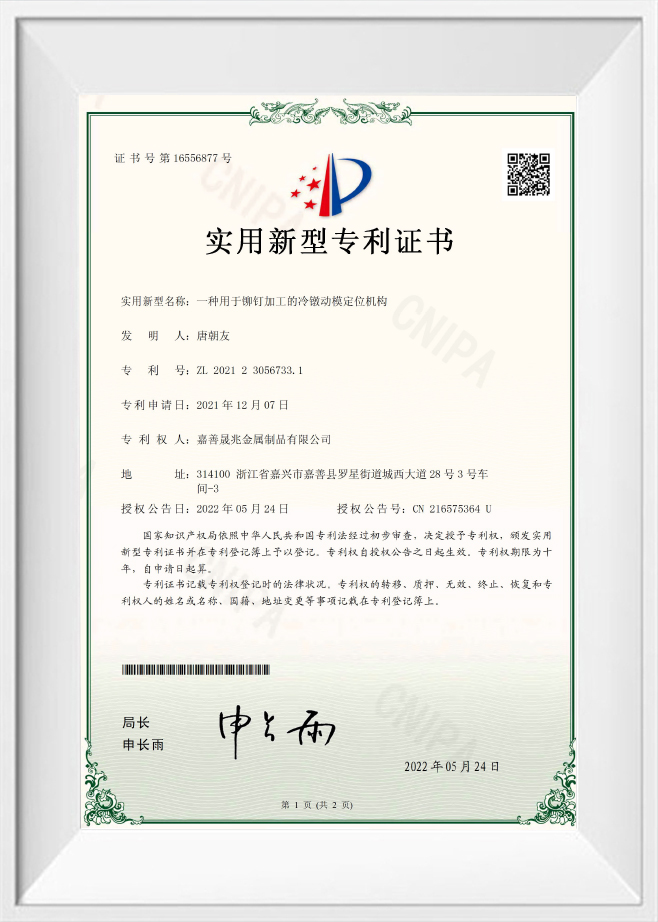
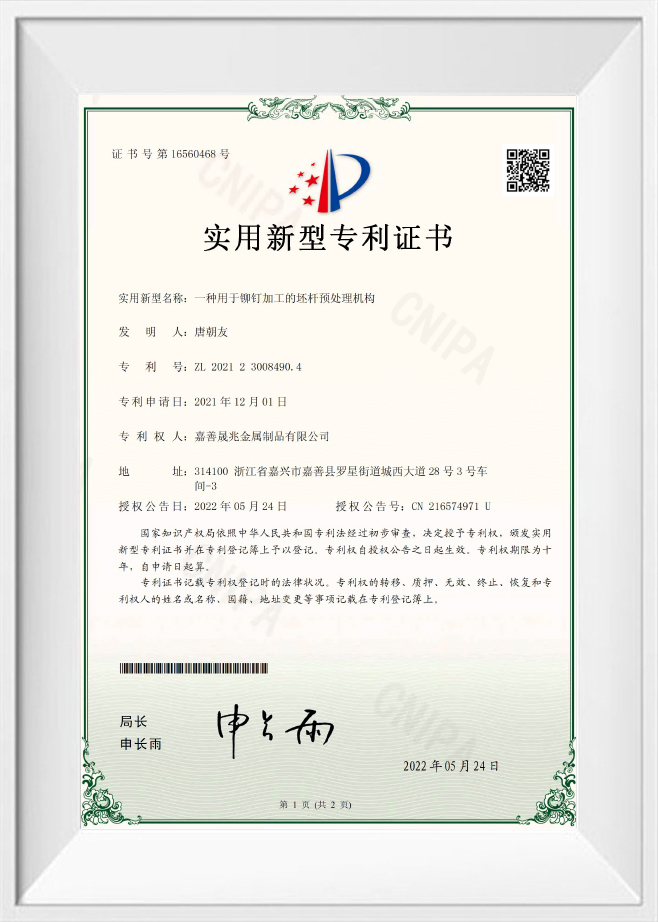
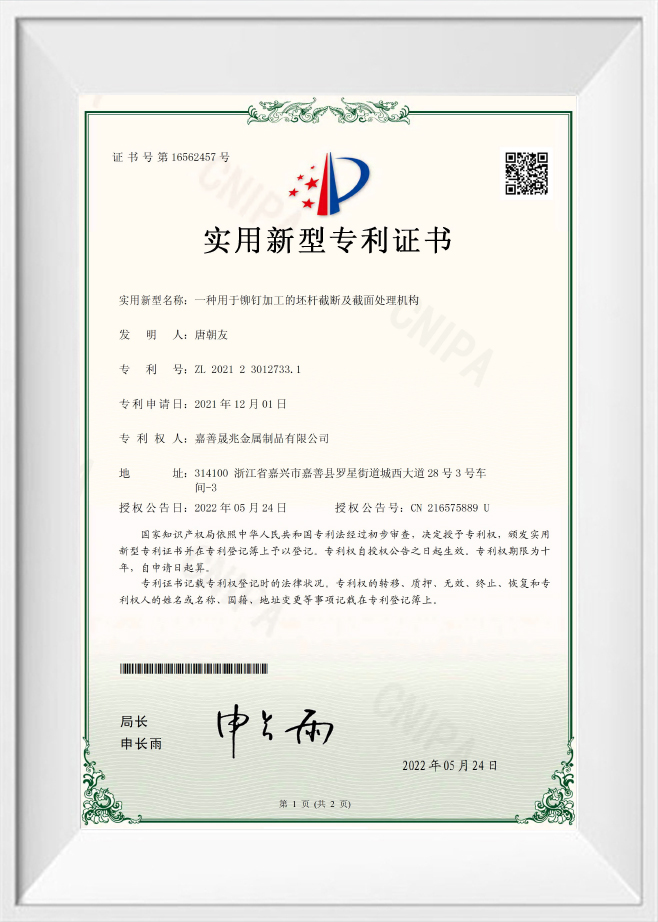
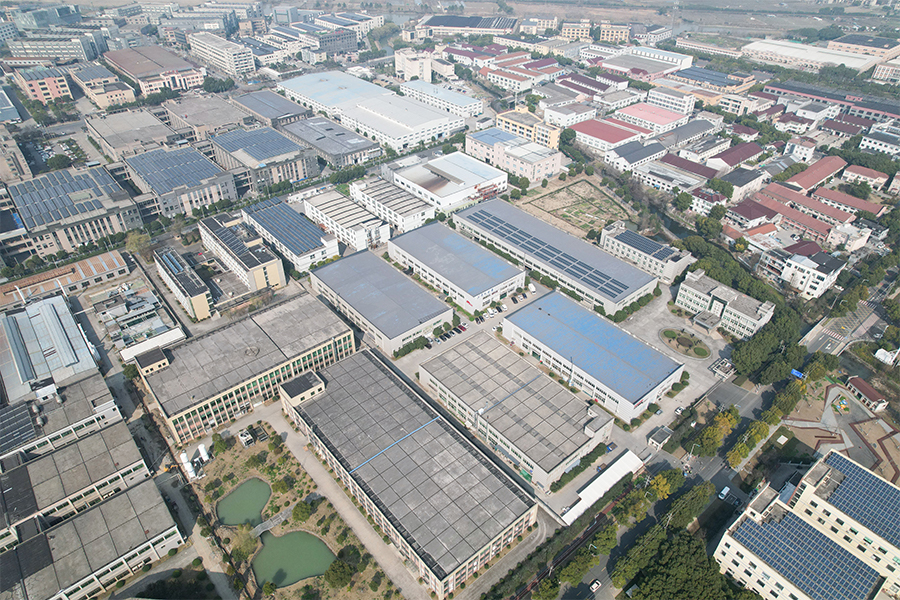
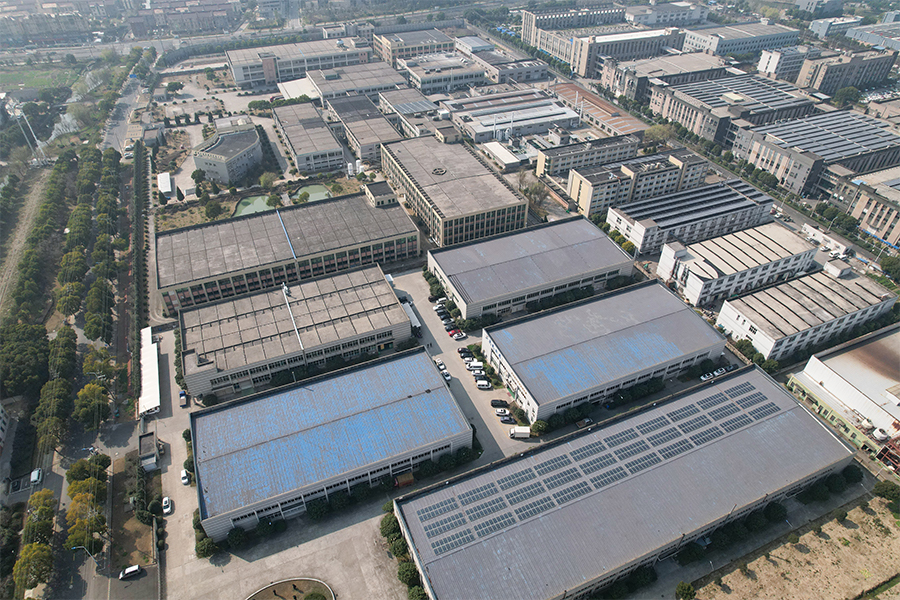
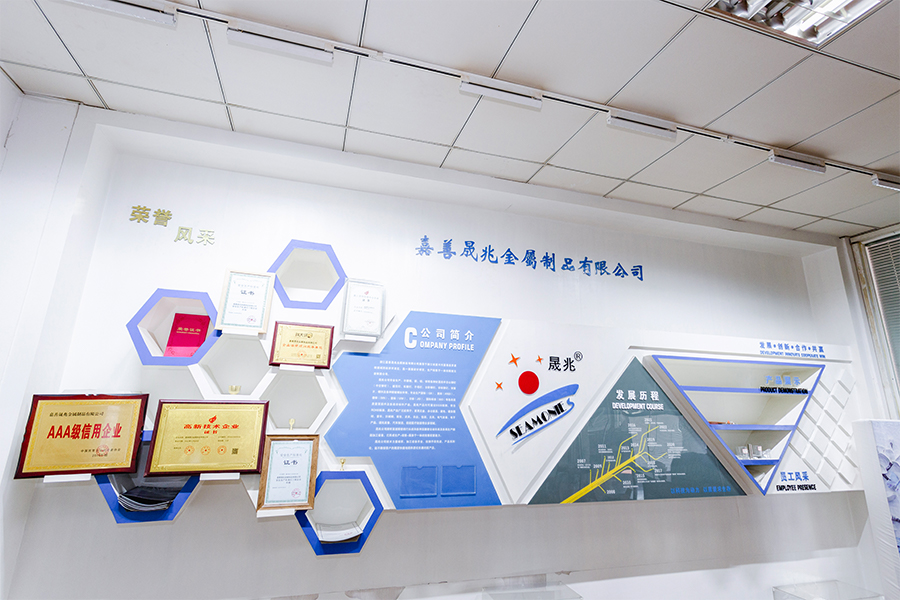
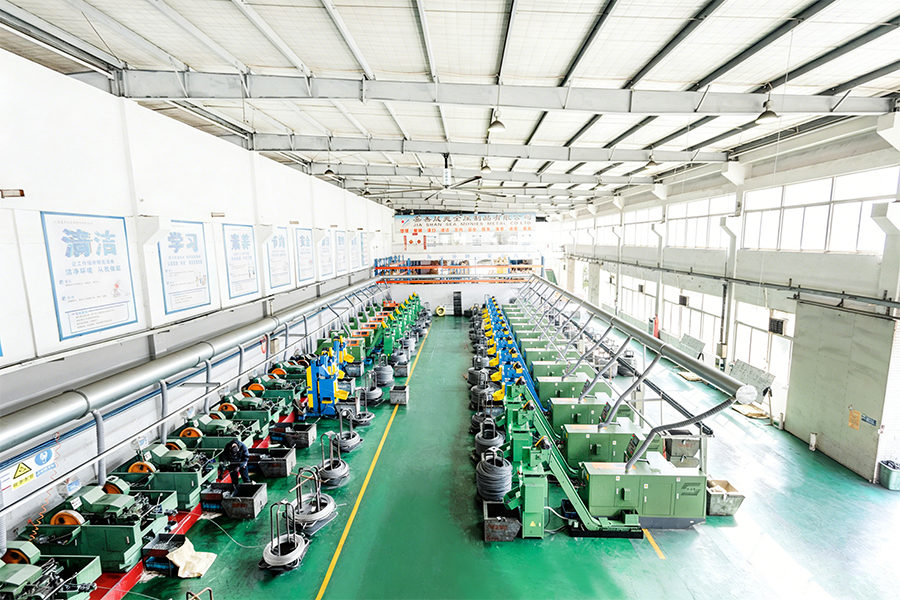
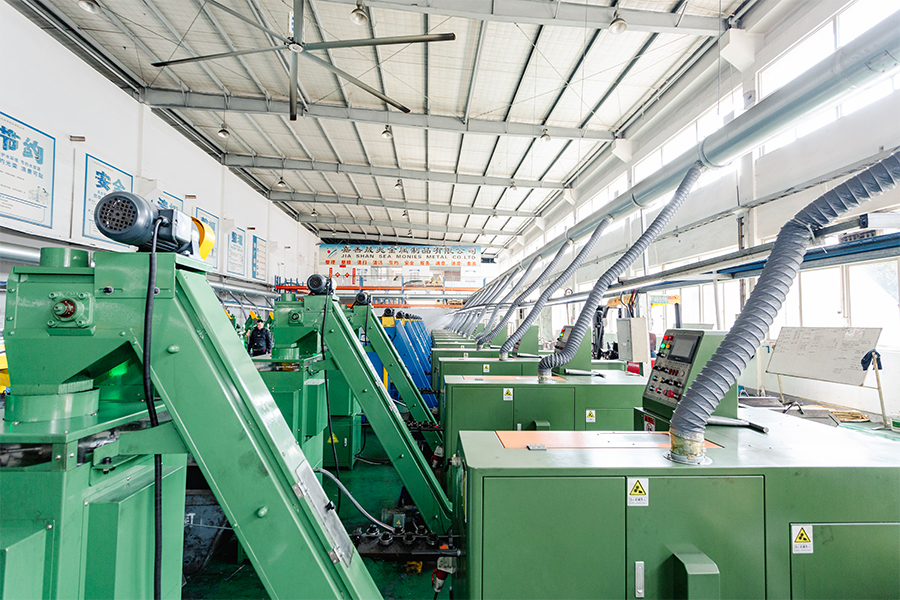
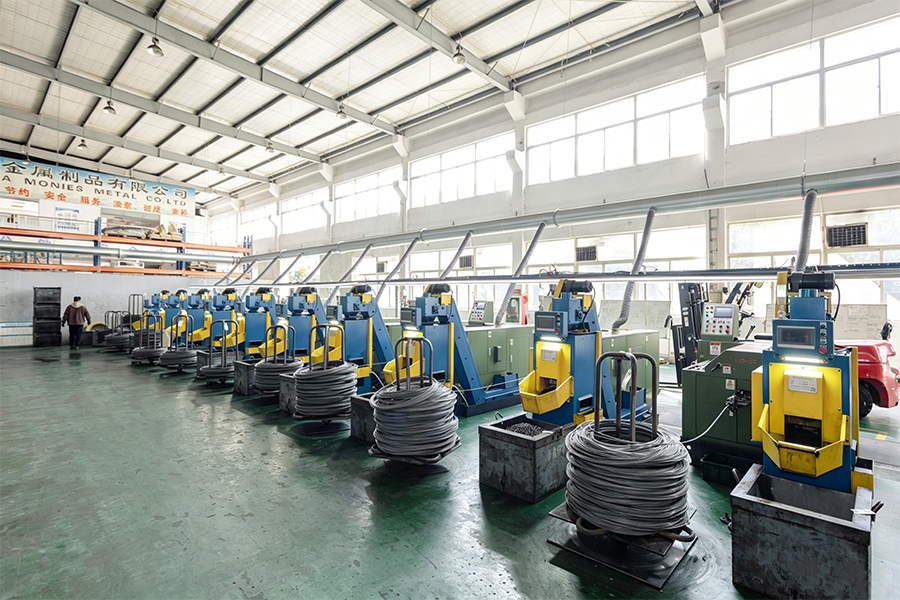
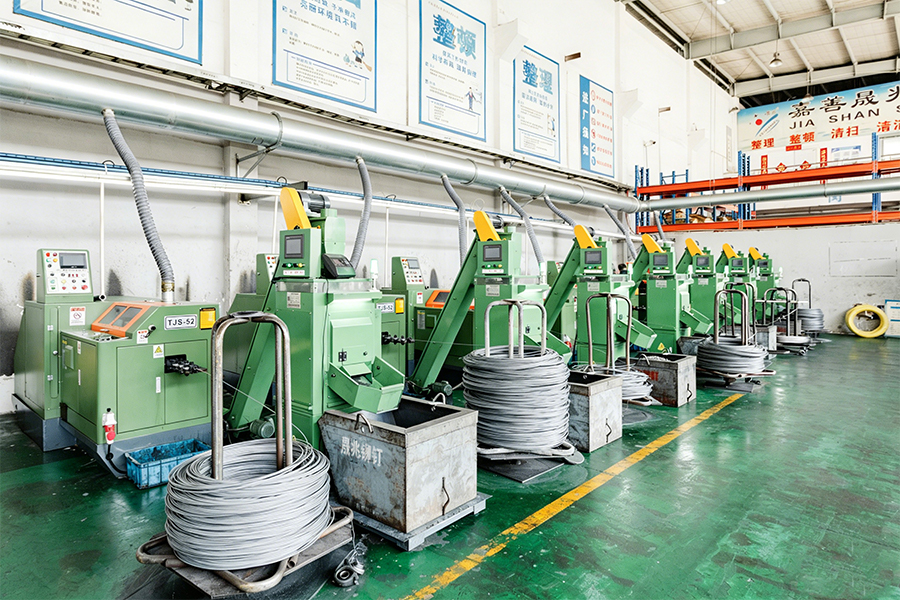
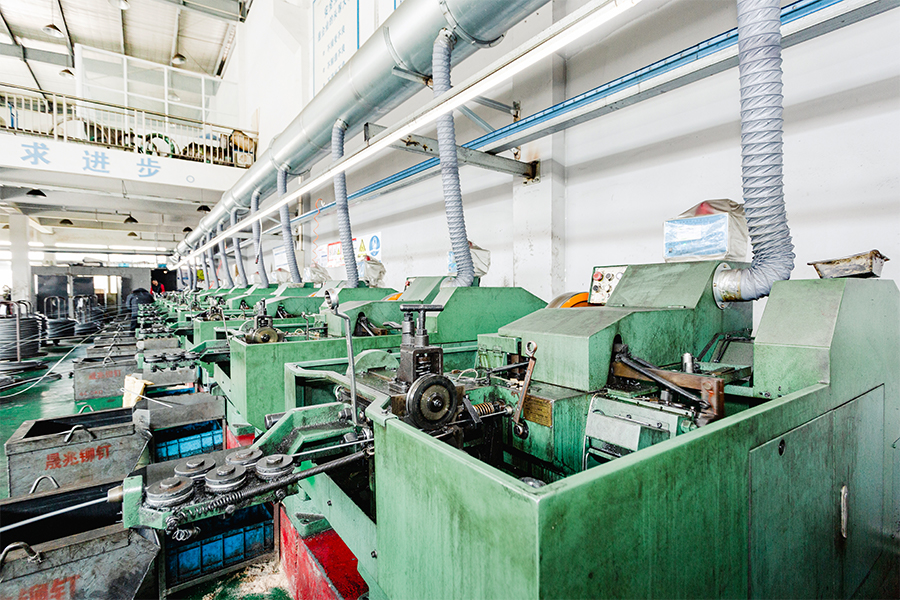
Zhejiang Chance & Union Import and Export Co., Ltd., SEA Monies Metal Co., Ltd.'ye bağlı bir aile şirketidir ve metal imalatında 20 yılı aşkın aile deneyimini ve kalite mirasını miras almaktadır. Shengzhao Metal'in güçlü üretim kapasitesi ve entegre tedarik zinciri tarafından desteklenen şirket, yüksek kaliteli metal bağlantı ürünlerinin araştırma, geliştirme, üretim ve küresel tedarikinde uzmanlaşmıştır.
Gelişmiş üretim yeteneklerinden yararlanan şirket, yüksek mukavemetli perçinler, cıvatalar, somunlar, rondelalar, pimler, önceden monte edilmiş vidalar ve çeşitli özelleştirilmiş sabitleme bileşenleri üretmektedir. Üretim süreçleri, çeşitli endüstriyel gereksinimleri karşılamak için paslanmaz çelik, alaşımlı çelik, alüminyum alaşımı, bakır ve özel alaşımlar gibi mevcut malzemelerle soğuk şişirme, sıcak dövme ve CNC işlemeyi içerir.
Yüksek kaliteli Çin imalatını uluslararası pazarla birleştirmeye kendini adamış olan Chance & Union, ürün geliştirme ve mühendislik desteğinden büyük ölçekli üretime kadar tek elden sabitleme çözümleri sunarak müşterilerin geniş bir uygulama yelpazesinde güvenilir sabitleme performansı elde etmesine yardımcı olur.
Üreticiler Doğru Önceden Montajlı Vidaları Nasıl Seçebilir?
Entegre bir bağlantı elemanı seçmeden önce çeşitli faktörler değerlendirilmelidir.
Şunu düşünün:
- Gerekli kelepçe yükü
- Çalışma ortamı
- Korozyon direnci
- Malzeme uyumluluğu
- Yıkayıcı konfigürasyonu
- Konu spesifikasyonu
- Kurulum yöntemi
- Otomasyon uyumluluğu
- Endüstri standartları
- Özel tasarım gereksinimleri
Doğru sabitleme çözümünün seçilmesi, uzun vadeli ürün güvenilirliği sağlarken montaj verimliliğini en üst düzeye çıkarmaya yardımcı olur.
Sonuç
Üretim otomasyona, tutarlılığa ve kalite kontrolüne öncelik vermeye devam ederken, önceden monte edilmiş vidalar montaj hatalarını azaltmak ve maliyetli yeniden çalışmayı en aza indirmek için etkili bir çözüm haline geldi. Kombinasyon vidaları ve SEMS vidaları, rondelaları doğrudan vidaya entegre ederek kurulumu basitleştirir, eksik bileşenleri ortadan kaldırır, sabitleme tutarlılığını artırır ve üretim verimliliğini artırır.
Hassas üretim, uygun malzeme seçimi ve sıkı kalite kontrolü ile birleştirildiğinde bu entegre bağlantı elemanları, elektronik ve otomotiv imalatından endüstriyel makine ve telekomünikasyona kadar çeşitli sektörlerde güvenilir performans sağlar. Tutarlı ürün kalitesini korurken üretkenliği artırmaya odaklanan üreticiler için önceden monte edilmiş vidalar pratik ve etkili bir sabitleme çözümünü temsil eder.
SSS
1. Önceden monte edilmiş vidalar ile SEMS vidaları arasındaki fark nedir?
SEMS vidaları, bir veya daha fazla kalıcı olarak tutulan rondelayı içeren yaygın bir önceden monte edilmiş vida türüdür. "Önceden monte edilmiş vidalar" terimi daha geniştir ve çeşitli entegre sabitleme konfigürasyonlarını kapsar.
2. Kombinasyon vidaları neden montaj hatalarını azaltır?
Pul vidaya kalıcı olarak bağlı olduğundan, operatörler ayrı pul bileşenlerini unutamaz, yanlış yerleştiremez veya yanlış takamaz; bu da daha tutarlı bir montaj süreci sağlar.
3. Hangi endüstriler genellikle önceden monte edilmiş vidalar kullanıyor?
Montaj doğruluğunun ve verimliliğinin önemli olduğu elektronik, otomotiv imalatı, ev aletleri, endüstriyel makineler, telekomünikasyon ekipmanları ve tıbbi cihazlarda yaygın olarak kullanılırlar.
4. Önceden monte edilmiş vidalar için hangi malzemeler mevcuttur?
Yaygın olarak kullanılan malzemeler arasında paslanmaz çelik, alaşımlı çelik, karbon çeliği, alüminyum alaşımı, bakır ve özel alaşımlar yer alır ve korozyon direncini ve dayanıklılığı artırmak için çeşitli yüzey işlemleri mevcuttur.
5. Önceden monte edilmiş vidalar otomatik montaj hatlarına uygun mudur?
Evet. Entegre tasarımları besleme stabilitesini artırır, robotik kurulumu basitleştirir, montaj karmaşıklığını azaltır ve otomatik üretim ortamlarında tutarlı sabitleme performansını destekler.





